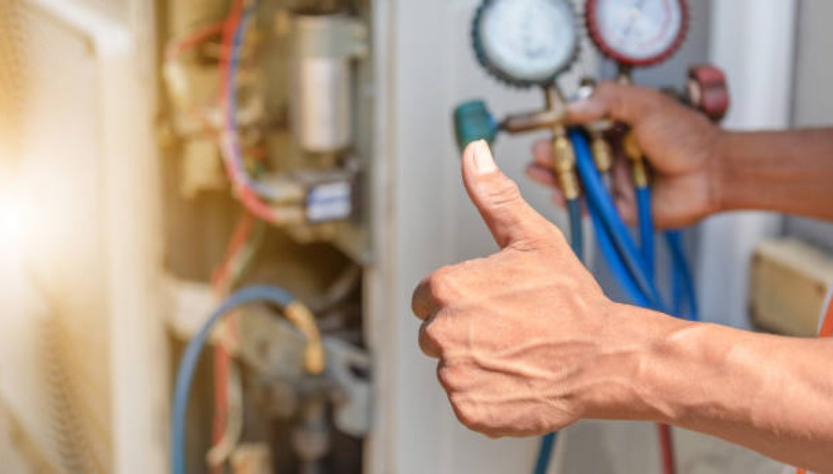
Heating, ventilation, and air conditioning (HVAC) systems are critical components of modern buildings, ensuring comfort and air quality. The complexity and importance of these systems mean that specialized expertise is essential for their proper installation, maintenance, and repair. An HVAC specialist plays a crucial role in managing these systems, addressing issues, and optimizing performance. This article delves into the key responsibilities of an HVAC specialist, focusing on their role in heating repair and the broader scope of their duties.
Understanding the Role of an HVAC Specialist
An HVAC specialist is a trained professional responsible for installing, maintaining, and repairing HVAC systems. These systems are intricate, involving various components such as furnaces, air conditioners, heat pumps, ductwork, and thermostats. The specialist’s role encompasses a range of tasks, including system design, troubleshooting, and customer service.
Qualifications and Skills
To become an hvac specialist, individuals typically complete vocational training or apprenticeships and obtain relevant certifications. These qualifications ensure that specialists possess a thorough understanding of HVAC systems, electrical wiring, and refrigeration principles. Key skills include problem-solving, mechanical aptitude, and customer communication. Staying current with industry advancements and regulations is also crucial for delivering high-quality service.
Daily Responsibilities
On a day-to-day basis, an HVAC specialist may perform a variety of tasks. These include conducting routine maintenance checks, responding to emergency repair calls, and installing new HVAC systems. Specialists must accurately diagnose issues, recommend solutions, and carry out repairs or replacements. Effective communication with clients is essential to explain issues, suggest improvements, and ensure satisfaction.
Heating Repair: A Critical Component
Heating repair is a significant aspect of an HVAC specialist’s role, particularly in regions with harsh winters or where heating systems are essential year-round. Proper heating repair ensures that systems operate efficiently, providing comfort and avoiding potential hazards.
Common Heating Issues
Heating systems can experience various issues, ranging from minor glitches to major failures. Common problems include:
- Faulty Thermostats: Inaccurate or unresponsive thermostats can lead to inconsistent heating and higher energy bills.
- Pilot Light or Ignition Problems: Issues with the pilot light or ignition system can prevent the furnace from starting or cause intermittent operation.
- Clogged Air Filters: Dirty or clogged filters can restrict airflow, reducing heating efficiency and potentially causing system damage.
- Malfunctioning Blowers: Problems with the blower motor can result in inadequate heat distribution and reduced comfort.
Diagnostic and Repair Process
When addressing heating repair issues, an HVAC specialist follows a systematic approach:
- Inspection and Diagnosis: The specialist inspects the heating system to identify the root cause of the problem. This involves checking components, electrical connections, and fuel supply.
- Repair or Replacement: Based on the diagnosis, the specialist may repair or replace faulty parts. This could involve cleaning or replacing filters, repairing ignition systems, or servicing the blower.
- Testing and Calibration: After repairs, the specialist tests the system to ensure it operates correctly. Calibration may be necessary to optimize performance and efficiency.
- Customer Communication: The specialist explains the repair process and provides recommendations for maintaining the system to prevent future issues.
Broader Responsibilities of an HVAC Specialist
While heating repair is a critical part of an HVAC specialist’s role, their responsibilities extend beyond this area. Specialists must ensure that all aspects of HVAC systems are functioning optimally.
Installation and Maintenance
HVAC specialists are involved in the installation of new systems, including selecting appropriate equipment, ensuring proper placement, and connecting components. Regular maintenance is also essential, including tasks such as cleaning coils, checking refrigerant levels, and inspecting ductwork. Preventative maintenance helps extend the lifespan of the system and improve energy efficiency.
Energy Efficiency and Upgrades
Specialists play a role in recommending and implementing energy-efficient solutions. This may involve upgrading systems, installing programmable thermostats, or suggesting insulation improvements. Energy-efficient systems reduce operational costs and environmental impact.
Emergency Services
HVAC specialists provide emergency services for urgent repairs, ensuring that systems are restored quickly to maintain comfort and safety. They must be prepared to handle unexpected breakdowns and provide solutions promptly.
Conclusion
The role of an HVAC specialist is multifaceted, encompassing various tasks essential for the effective operation of heating, ventilation, and air conditioning systems. From heating repair to system installation and maintenance, these professionals ensure that HVAC systems function efficiently and reliably. Understanding the breadth of an HVAC specialist’s responsibilities highlights the importance of their expertise in maintaining optimal indoor environments. Whether addressing heating issues or performing routine maintenance, HVAC specialists are integral to ensuring comfort and efficiency in modern buildings.